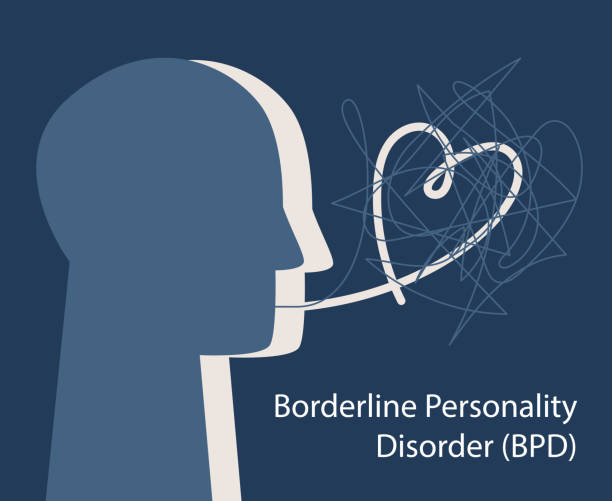
Amidst the hustle and bustle of modern day life, we often find it difficult because of being overwhelmed by the weight of our thoughts, emotions, and responsibilities. We take care of our bodies by going to the gym and eating healthy, but when it comes to mental health, it becomes secondary. This is when psychological therapy helps.
When people hear the word “therapy,” they naturally conjure a image of a patient on a couch with a black leather surface and a distant, impassive psychiatrist scribbling away in a notebook in the background. This is simply no longer true.
In this in-depth guide, we will delve into the realm of psychological therapy. We will discuss the definition, processes, types, and the possible reason why psychological therapy might be the most important investment you ever make in yourself.
1. What Exactly is Psychological Therapy?
At its most basic level, psychological therapy—often called “talk therapy” or “psychotherapy”—is a collaborative process between a trained professional (a therapist) and an individual, couple, or family. The goal is to identify and change troubling thoughts, emotions, and behaviors.
As the famous psychologist Carl Rogers once said:
“The curious paradox is that when I accept myself just as I am, then I can change.”
Therapy provides a safe, confidential, and non-judgmental space to explore your inner world. It is not just about “venting” or “complaining.” It is a structured approach to understanding the “why” behind your actions and learning the “how” of making your life better.
Therapy vs. Talking to a Friend
A common question is: “Why should I pay someone when I can just talk to my best friend?” While friends are vital for support, therapy is different in three key ways:
- Objectivity: A therapist is not part of your social circle. They don’t have a “side” to take, allowing them to see your situation clearly.
- Training: Therapists spend years studying human behavior, brain chemistry, and emotional patterns. They have a “toolbelt” of evidence-based techniques to help you heal.
- The Focus Is on You: In a friendship, there is a give-and-take. In therapy, the entire hour is dedicated solely to your growth.
2. The Core Pillars of the Therapeutic Process
To understand how therapy works, we must look at the foundation of the relationship. It isn’t a “shaman-like” magic trick; it is a science-based process built on specific pillars.
The Therapeutic Alliance
The most important factor in whether therapy works is the “bond” between the therapist and the client. Research consistently shows that if you feel heard, understood, and safe with your therapist, you are much more likely to see positive results.
Increased Self-Awareness
Most of us live our lives on “autopilot.” We react to stress or anger without really knowing why. Therapy helps you slow down and look at the “programming” of your mind. You begin to see patterns: “I always push people away when I feel vulnerable,” or “I use work to avoid feeling lonely.”
Skill Building
Therapy is practical. It provides you with tools to handle life’s challenges. This might include breathing exercises for anxiety, communication strategies for marriage, or “thought-challenging” techniques for depression.
3. Common Types of Psychological Therapy
Not all therapy is the same. Just as a doctor might prescribe different medicines for different illnesses, psychologists use different models depending on your needs. Here are the most common types explained in simple terms:
Cognitive Behavioral Therapy (CBT)
CBT is currently the most popular form of therapy. It is based on the idea that our thoughts influence our feelings, which then influence our behaviors.
- The Concept: If you think, “I’m a failure because I made a mistake at work,” you will feel depressed and likely give up. CBT helps you catch that thought and change it to: “I made a mistake, but I can learn from it.”
- Best for: Anxiety, depression, and phobias.
Dialectical Behavior Therapy (DBT)
DBT was originally developed to treat complex emotional issues. It focuses on two things: acceptance and change.
- The Concept: It teaches four main skills: mindfulness (staying present), distress tolerance (getting through a crisis without making it worse), emotion regulation, and interpersonal effectiveness (how to say “no” or ask for what you need).
- Best for: Intense emotions and relationship struggles.
Psychodynamic Therapy
This is the “deeper dive” into your past. It explores how your childhood experiences and subconscious mind shape your current behavior.
- The Concept: By understanding how your upbringing influenced your view of the world, you can release the “grip” the past has on you.
- Best for: Deep-seated patterns and understanding the “root cause” of issues.
Humanistic Therapy (Client-Centered)
This approach believes that every person has the inner capacity for growth. The therapist acts as a guide rather than an “expert” who tells you what to do.
- The Concept: The focus is on the “here and now” and reaching your full potential (self-actualization).
- Best for: Building self-esteem and finding meaning in life.
Acceptance and Commitment Therapy (ACT)
ACT is a unique approach that encourages you to stop fighting your negative thoughts and instead “accept” them as just words in your head, while committing to actions that match your values.
- Best for: Workplace stress and chronic pain.
4. Who Is Therapy For? (Hint: Everyone)
There is a lingering stigma that therapy is only for people in a “crisis” or those with a “severe mental illness.” This is a myth.
As Fred Rogers (the famous Mr. Rogers) once said:
“Anything that’s human is mentionable, and anything that is mentionable can be more manageable.”
Therapy is for anyone who wants to live a more fulfilling life. Here are some common reasons people seek help:
- Life Transitions: Starting a new job, moving to a new city, or becoming a parent.
- Grief and Loss: Not just the death of a loved one, but the end of a relationship or the loss of a dream.
- Relationship Issues: Learning how to set boundaries or communicate better with a partner.
- Stress Management: Dealing with the “burnout” of a high-pressure lifestyle.
- Self-Discovery: Simply wanting to understand yourself better and grow as a person.
- Trauma: Processing difficult events from the past that still affect your present.
5. The Benefits: What Happens When You Go to Therapy?
When you commit to the process, the changes can be life-altering. While everyone’s journey is different, here are the most common benefits:
Better Emotional Regulation
You learn that feelings aren’t “bad.” Instead of being “hijacked” by anger or sadness, you learn to sit with those feelings, understand them, and let them pass without reacting impulsively.
Improved Physical Health
The mind and body are connected. High stress leads to high cortisol, which can cause heart issues, digestive problems, and a weakened immune system. By managing your mental health, you often find that your physical symptoms—like headaches or stomach aches—improve as well.
Stronger Relationships
When you understand your own “triggers,” you stop blaming others for your feelings. You learn how to speak your truth without attacking others, which leads to deeper, more honest connections.
Increased Productivity
It’s hard to work when your mind is a “browser with 50 tabs open.” Therapy helps you close those tabs, allowing you to focus on your goals and passions with more energy.
6. What to Expect in Your First Session
The first time you walk into a therapist’s office (or log into a video call), it’s normal to feel nervous. Here is a breakdown of what usually happens:
- The “Intake”: The therapist will ask a lot of questions about your history, your family, your job, and what brought you in today.
- The Logistics: You’ll discuss confidentiality (what stays between you two) and the schedule of your meetings.
- Goal Setting: You will talk about what you want to achieve. Do you want to stop having panic attacks? Do you want to feel less lonely?
- The “Vibe Check”: This is your chance to see if you like the therapist. Does their voice soothe you? Do they seem to “get” you? If it doesn’t feel right, that’s okay! You are allowed to look for someone else.
7. Common Myths About Therapy
In fact, a proper understanding of psychological therapy requires a removal of “dust” from misconceptions.
Myth #1: “The therapist will tell me what to do.” Reality: A good therapist will rarely tell you directly what to do. Rather, they will ask you a series of questions to help you arrive at your own answer. The aim is to empower you to make your own choices.
Myth #2: “I’ll have to stay in therapy forever.”
Truth: “Some people come to therapy with a specific problem and stay a short while to resolve that issue. Others return to therapy repeatedly as they work towards different goals. Ultimately, how long you stay in therapy is completely your choice.”
Myth #3: “If I see a therapist, that means I’m weak.” Truth: It requires immense strength to accept and deal with your flaws. As the wise words say, “Seeing a therapist is a mark of strength, not weakness.”
Myth #4: “Therapy is just for talking about my mother.” Reality: While childhood is important, modern forms of therapy are more focused on the here-and-now–the future. You don’t have to talk about your parents if you don’t want to.
8. How to Find the Right Therapist
Finding a therapist is a bit like dating; you might have to meet a few people before you find “the one.” Here are some steps to make the search easier:
- Check Credentials: Look for titles like Psychologist (PhD/PsyD), Licensed Clinical Social Worker (LCSW), or Licensed Professional Counselor (LPC).
- Consider Specialties: If you struggle with an eating disorder, find someone who specializes in that area.
- Think About Logistics: Is their office close to you? Do they offer online sessions? Do they take your insurance?
- Trust Your Gut: After the first session, ask yourself: “Did I feel safe? Did I feel judged?” Your intuition is a powerful tool.
9. The Role of Technology: Online Therapy
In recent years, “Telehealth” has changed the face of therapy. You can now speak to a professional from the comfort of your own home via video chat or even text-based apps.
- Pros: It’s convenient, often cheaper, and great for people with busy schedules or mobility issues.
- Cons: You lose some of the “human” connection of being in the same room, and you need a private space where no one can overhear you.
Regardless of the format, the core of therapy remains the same: a human connection aimed at healing.
10. A Final Thought: The Courage to Begin
Psychological therapy is not a “quick fix.” It isn’t a magic pill that makes all your problems disappear overnight. It is a journey. There will be days when you leave a session feeling “light” and happy, and days when you leave feeling tired and emotional because you touched on a difficult topic.
However, the result is a life lived with intention. Instead of being a passenger in your own mind, you become the driver.
Abraham Maslow, a famous psychologist, once said:
“What is necessary to change a person is to change his awareness of himself.”
If you are feeling lost, stuck, or simply curious about who you really are, therapy is the map that can help you find your way. It is a commitment to yourself—an acknowledgment that your peace of mind is worth the effort.
Summary Checklist for Starting Your Journey:
- Acknowledge: It’s okay to not be okay.
- Research: Look up therapists in your area or online.
- Reach Out: Send that first email or make that first call.
- Be Patient: Give yourself permission to be a “work in progress.”
- Be Honest: The more “real” you are in therapy, the faster you will heal.
Mental health is not a destination; it is a process. It’s about how you drive, not where you’re going. If you’ve been considering therapy, let this be your sign to take that first step. Your future self will thank you.