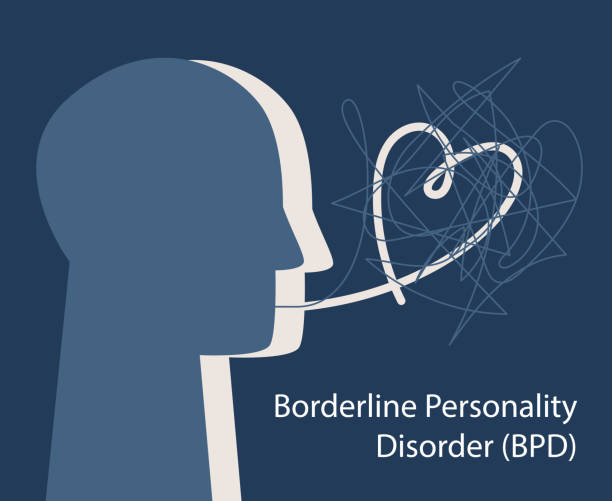
A lot of people also think that therapy is for those that are “going through a crisis” or that are suffering from a severe mental illness. They picture a blacked-out room, a brown couch, and a person asking, “How does that make you feel?” while scribbling notes.
However, the truth of therapy is much more different and much more powerful. Indeed, therapy is a lot more than just a “fix” for a given problem because it is a powerful tool of personal growth because of its goal of self-recognition and understanding, improved relationship-building, as well as a more meaningful and balanced life construction.
Within this guide, we hope to fully examine how therapy can impact your life. In doing so, complex terms and concepts will be simplified and understood through the use of relevant examples.
1. Building a Deep Sense of Self-Awareness
First of all, and probably most importantly, therapy can actually change your life by giving you self-awareness. By that is meant knowledge of why you do what you do, feel the way you feel, or respond to things the way you do.
We happen to lead our lives on “autopilot.” We have habits, ways, and a pattern of thinking that we don’t even recognize. What happens in therapy? It acts like a mirror. A mirror reflects back what’s in your presence. It allows you to see for the first time your patterns.
Why Self-Awareness Matters
Without self-awareness, you are like a ship at sea with no map. You might keep crashing into the same rocks without knowing why. When you understand your “inner map,” you can start to steer the ship in a better direction.
Example: The Perfectionist
Imagine a woman named Sarah who is always stressed at work. She stays late every night and checks her emails constantly. In therapy, Sarah realizes she has a “perfectionist” pattern. She discovers that she feels she is only valuable if she is doing everything perfectly. This awareness allows her to stop and ask, “Do I really need to stay late tonight, or is my perfectionism just driving me?”
2. Learning Emotional Regulation (The Toolbox)
We all experience big emotions: anger, sadness, anxiety, and frustration. For many people, these emotions feel like a tidal wave that sweeps them away. Emotional regulation is the ability to manage these feelings so they don’t control your life.
In therapy, you learn that emotions are like “data.” They are telling you something about your environment. A therapist helps you build a “toolbox” of skills to handle these emotions.
How it Works
Instead of reacting instantly (like shouting when you are angry), therapy teaches you to:
- Pause: Notice the feeling in your body.
- Identify: Label the feeling (e.g., “I am feeling overlooked”).
- Respond: Choose a healthy way to deal with it instead of an impulsive one.
Example: The Angry Driver
Consider Mark, who gets “road rage.” If someone cuts him off, he screams and feels his heart racing for an hour. In therapy, Mike learns to recognize the physical signs of anger early. He practices breathing techniques and learns to tell himself, “That driver is probably just in a hurry; it isn’t a personal attack on me.” Over time, his stress levels drop significantly.
3. Improving Your Relationships
Humans are social creatures. Our happiness is often tied to the quality of our relationships. Whether it is with a partner, a parent, a child, or a co-worker, therapy can completely change how you interact with others.
Therapy helps you with:
- Communication: Learning how to say what you need without being hurtful.
- Boundaries: Learning how to say “no” and protect your energy.
- Empathy: Understanding other people’s perspectives better.
Breaking the Cycle
Many of us repeat patterns we learned from our parents. If your parents argued by shouting, you might shout too. Therapy helps you identify these “generational cycles” and choose a different path.
Example: The People-Pleaser
Jane always says “yes” to everyone. She helps her friends move, takes on extra work, and never complains. Inside, she feels burnt out and resentful. In therapy, Jane learns to set boundaries. She practices saying, “I would love to help, but I need to rest this weekend.” Her relationships become more honest and less exhausting.
4. Healing from Past Trauma
Trauma isn’t just about “big” events like accidents or disasters. It can also be “small” traumas, like being bullied in school or having a parent who was emotionally distant. These past wounds often stay with us, affecting our behavior today.
Therapy provides a safe space to process these memories. When you don’t process trauma, it gets “stuck” in your body and mind. You might find yourself overreacting to small things because they remind you of a past hurt.
The Transformation
By talking through these events with a professional, the memories lose their “sting.” They become stories from your past rather than weights you are carrying in the present. This allows you to live in the “here and now.”
Example: The Trust Issues
David found it hard to trust his girlfriend. Every time she went out with friends, he felt panicky and suspicious. In therapy, he realized this came from a childhood where his father frequently left the family without warning. By processing that childhood pain, David was able to see that his girlfriend was not his father. He stopped feeling panicky and his relationship became much stronger.
5. Changing Your “Inner Critic”
We all have a voice in our head. For many of us, that voice is very mean. It says things like, “You’re going to fail,” “You look terrible today,” or “Nobody likes you.” This is called the Inner Critic.
Therapy helps you challenge this voice. You learn that just because you have a thought, it doesn’t mean the thought is true.
Developing Self-Compassion
A therapist helps you replace that mean voice with a more supportive one. This is not about being “perfect”; it is about being kind to yourself when you make a mistake, just as you would be kind to a friend.
Example: The New Product Manager
Leo got a big promotion but felt like a “fraud.” His inner critic told him he wasn’t smart enough for the job. In therapy, he learned to look at the evidence. He listed his accomplishments and realized his boss hired him for a reason. He learned to talk to himself like a coach rather than an enemy.
6. Physical Health Benefits
It might surprise you, but therapy can actually improve your physical health. The mind and body are deeply connected. When you are mentally stressed, your body stays in a “fight or flight” mode. This releases a hormone called cortisol. High levels of cortisol over a long time can lead to:
- Headaches
- Stomach problems
- Poor sleep
- Heart disease
- A weak immune system
The Mind-Body Connection
By reducing anxiety and processing stress through therapy, your physical body gets a chance to relax and heal. Many people find that after starting therapy, their chronic pain or digestive issues begin to improve.
Example: The Sleepless Executive
A man named Robert suffered from chronic insomnia. He tried every tea and pillow available, but nothing worked. In therapy, he realized he was carrying the weight of his entire company’s stress. As he learned to process that stress and set boundaries at work, his mind finally “quieted down” at night, and he began to sleep through the night for the first time in years.
7. Finding Purpose and Meaning
Many people feel a sense of “emptiness” or “drifting.” They have a job and a house, but they don’t feel happy. They feel like they are just going through the motions.
Therapy can help you explore your values. Your values are the things that are most important to you (like creativity, family, helping others, or adventure). When your life doesn’t align with your values, you feel miserable.
Creating a Life You Love
A therapist can help you figure out what your values are and how to make choices that honor them. This leads to a life that feels authentic and exciting.
Example: The Career Change
Maria was a lawyer because her parents wanted her to be one. She was successful but deeply unhappy. Through therapy, she discovered that her true value was “creativity” and “working with nature.” She eventually decided to transition into landscape design. She earned less money at first, but her daily happiness increased ten-fold because her life finally matched her heart.
8. Developing Critical Thinking and Problem-Solving
Life is full of problems. Sometimes these problems feel so big that we feel paralyzed. Therapy teaches you how to break big problems down into small, manageable steps.
It also teaches you critical thinking about your own thoughts. You learn to spot “cognitive distortions.” These are “thought traps” that make things seem worse than they are, such as:
- Catastrophizing: Thinking the absolute worst-case scenario will happen.
- Black-and-white thinking: Thinking things are either “perfect” or “a total failure,” with no middle ground.
Example: The Failing Project
Imagine an entrepreneur whose new business isn’t making money yet. Without therapy, they might think, “I am a total failure, and I will be homeless.” (Catastrophizing). With the skills learned in therapy, they can say, “The business is struggling right now. What are three specific things I can do this week to improve things?”
9. Resilience: Learning to Bounce Back
Resilience is the ability to recover from setbacks. Life will always have challenges—loss, illness, or disappointment. Therapy doesn’t stop these things from happening, but it changes how you handle them.
Instead of being “broken” by a hardship, a resilient person learns how to process the pain, learn from the experience, and eventually move forward.
Resilience in Action
Think of therapy like “strength training” for your mind. Just as lifting weights makes your muscles stronger for physical tasks, therapy makes your mind stronger for life’s challenges.
Example: Dealing with Grief
When Linda lost her husband, she felt she would never be happy again. Through therapy, she didn’t “get over” the loss (because we never truly get over losing a loved one), but she learned how to process the grief. She learned that she could be sad and still find small moments of joy. Her resilience allowed her to continue living a full life while still honoring her husband’s memory.
10. How to Start the Journey
If you are reading this and thinking, “I want this transformation,” you might be wondering how to start. Here is a simple guide to beginning therapy:
Step 1: Find the Right Match
Therapy is based on the relationship between you and the therapist. It is okay to “shop around.” Most therapists offer a free 15-minute phone call. Use this to see if you feel comfortable talking to them.
Step 2: Choose a Type of Therapy
There are different styles of therapy. Some popular ones include:
- CBT (Cognitive Behavioral Therapy): Focuses on changing thought patterns.
- DBT (Dialectical Behavior Therapy): Great for learning how to manage intense emotions.
- Psychodynamic Therapy: Explores how your past and your childhood affect your present.
- ACT (Acceptance and Commitment Therapy): Focuses on accepting what you can’t control and committing to your values.
Step 3: Be Honest and Patient
Therapy takes time. You didn’t develop your habits in a week, and you won’t change them in a week. It requires honesty—even when it’s uncomfortable—and a commitment to showing up.
Step 4: Do the “Homework”
A lot of the transformation happens between sessions. If your therapist suggests a breathing exercise or asks you to write in a journal, try to do it. These are the tools that build your new life.
Conclusion: The Greatest Investment
The most frequent thing people say several months into effective therapy is: “I wish I’d begun this process sooner.”
We pay for gym memberships, car repairs, and home maintenance. But the one place where you live every moment of every day is your mind. The best investment you can make is in taking care of your mental health by seeing a therapist.
Therapy is a transformation of your own life by providing the keys to unlock your mind yourself. It assists in making you a person who stops reacting to the world and begins to choose how to live your life accordingly. Therapy heals past wounds, bonds relationships, and provides strength for the future.
No matter where you may find yourself in life at this point, and perhaps you may be struggling or may just feel as if “you’re stuck,” therapy can offer a way of stepping from where you may find yourself today and into a lighter, happier, and more intentional way of living. Seeking therapy is certainly a sign of weakness—on the contrary, it’s a sign of incredible strength.