When we indulge in impulsive shopping to lift our mood, our psyche works against itself. A psychologist describes this phenomenon and explains how to overcome this addiction.
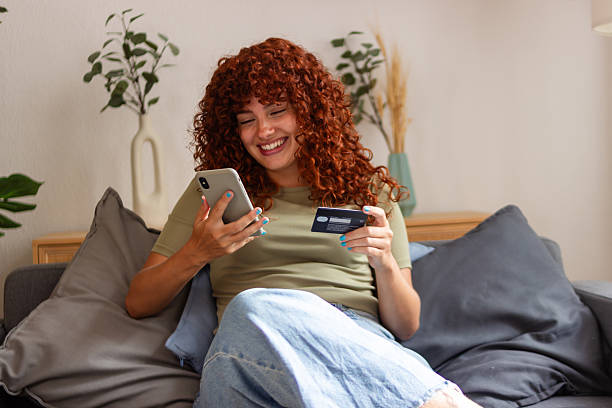
Have you ever noticed how, after a stressful day, you suddenly find yourself on an online store website, adding things to your cart you hadn’t even thought about that morning? Or how you spontaneously wander into a shopping mall and walk out with bags of groceries after a bad job interview? It’s not a coincidence. Our brains are programmed to seek instant gratification, especially when we’re feeling down.
In moments of emotional discomfort, the subconscious literally craves dopamine, the pleasure hormone that instantly counteracts negative emotions. Shopping is one of the most accessible and quickest ways to get this fix . The sound of a notification about an online purchase, the crinkling of bags, the moment of owning a new item—all trigger a dopamine surge, creating the illusion of problem solving.
But what if this familiar pattern of “feeling bad – buying – feeling good” works against us?
The illusion of problem solving
The first and most obvious pitfall of emotional shopping is its temporary effect. Buying a new bag won’t resolve a conflict with a colleague, and a new gadget won’t offset professional burnout. The brain merely switches our attention from the source of discomfort to the source of pleasure, creating the illusion of relief.
Many people notice that after serious conversations with their boss or stressful situations, they almost automatically head to the store. Some accumulate collections of nearly identical items—beige lipsticks, stationery, or accessories. However, none of these items solve the underlying problem or boost confidence in difficult situations.
The psyche has a remarkable way of masking the real problem, offering us an easy way out. We substitute short-term pleasure for solving the real problem. And every time this scheme is triggered, it only delays the need to confront the real source of discomfort.
Neural connections that become shackles
The human brain is an incredibly flexible organ, capable of forming new connections based on repeated experience. Every time we respond to stress by buying, we strengthen the neural circuit “discomfort-purchase-relief.” Gradually, this connection becomes so strong that it activates automatically, without our conscious decision.
Neuroscientists explain that when a certain behavior is repeatedly rewarded (in our case, with dopamine), the brain creates a preferred pathway for it. Over time, this pathway becomes so well-trodden that we literally see no alternative.
A kind of dependence arises, which, unlike other addictions, appears quite socially acceptable.
Often, people only realize the scale of the problem when moving or spring cleaning, when they discover a huge number of unused items. Dozens of cables, gadgets, tools, and clothing items with tags—all these are the material traces of emotional outbursts and attempts to cope with stress through shopping.
This addiction not only drains finances, but also literally clutters up your life physically and mentally—every impulsive purchase becomes yet another item requiring space, attention, and care.
When the material displaces the spiritual
The deepest problem with emotional shopping is the gradual shift in focus to the material world as the only source of comfort and support. Instead of exploring our emotions, seeking help from loved ones or professionals, and engaging in self-improvement, we learn to numb our discomfort with things.
Psychotherapists note a dangerous trend: people accustomed to emotional shopping often lose other self-regulation mechanisms. They find it harder to find solace in conversation with a friend, meditation, creativity, or physical activity.
Material objects acquire excessive significance, becoming substitutes for internal resources
Research shows that many people with impulse buying problems eventually realize that the only thing that can comfort them in a difficult situation is buying something new. Simply experiencing difficult feelings, crying, or talking to loved ones is not even considered. Only shopping creates the illusion of self-care.
What is your anxiety level?
- 1/8
- Would you call yourself a balanced person?
No, I get angry easily.
Usually yes, but sometimes there are situations in which I behave impulsively.
Yes, most of the time I feel calm and collected.
Balance instead of prohibitions
Despite the risks described above, you shouldn’t go to the other extreme and completely abandon the joy of spontaneous purchases. Enjoying new acquisitions is a completely normal part of life. The key is to find balance and expand your repertoire of self-care methods.
What to do?
Here are some simple strategies to help transform emotional shopping from an automatic reaction to a conscious choice.
- Expand your self-help arsenal. Make a list of 10-15 ways to boost your mood without shopping: going for a walk, calling a friend, watching your favorite movie, getting a massage, or meditating. When you feel the urge to buy something, try something from this list first.
- Practice “delayed gratification.” See something you want to buy impulsively? Take a photo and give yourself 24 hours to think about it. Often, the urge passes, but the money remains.
- Distinguish between wants and needs. Ask yourself: “Do I really need this thing?”, “How often will I use it?”, “What exactly will improve in my life after this purchase?”
- Be aware of your emotional triggers . Keep a shopping journal, noting the emotions that preceded each purchase. This will help you identify patterns and address the root cause, not the symptom.
- Distinguish between planned joys and compulsive purchases. A box of your favorite chocolates you’ve been dreaming about all week, or a pair of sneakers you’ve been eyeing, are quite different from your fifteenth keychain or yet another phone case bought in a moment of stress.
The path to conscious consumption
Psychologists note that mindfulness is the key to overcoming impulse shopping. It’s not about stopping yourself from enjoying purchases, but about doing so consciously, rather than reacting automatically to discomfort.
Those who have overcome emotional shopping addiction notice that they still enjoy buying new things, but they do so for completely different reasons. While every purchase used to be an attempt to numb anxiety, now they buy things that genuinely improve their quality of life, and they’ve learned to deal with their emotions in new ways.
Ultimately, developing a healthy relationship with shopping is part of a larger process of building a healthy relationship with ourselves. When we learn to accept our emotions, even negative ones, and find diverse ways to care for ourselves, material things cease to be the sole source of comfort and joy, taking on a more balanced place in our lives.