Portrait of an anxious mother
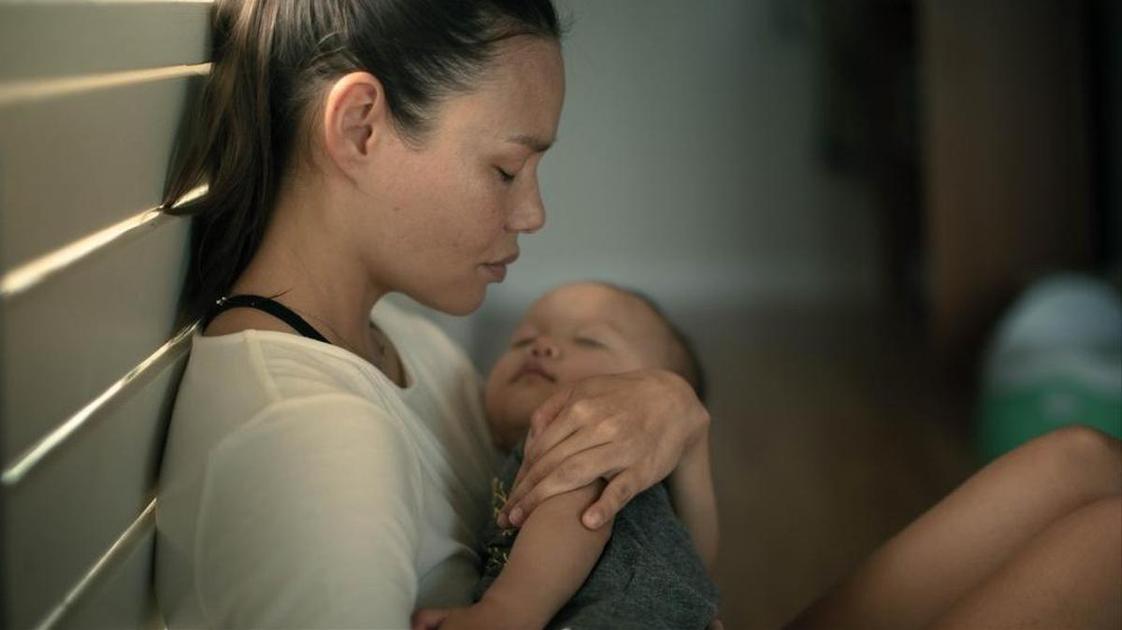
In a psychologist’s office, you often hear a confessional story from women: “I’m always on edge. I love my child madly, but in the evenings, his endless calls of ‘Mom, Mom’ make my insides clench. Eventually, I break down, scream, then sob in the bathroom, googling whether I’m hurting him with this behavior. I’m alone, with no one to help. I’m afraid I’ll break down, but I’ve run out of strength.”
This is a portrait of an anxious, single woman who has been shouldering everything at once for too long: a child, a household, a job, financial responsibilities, and worries about the future. Added to this is the myth of the ideal mother, who never gets angry and is always resourceful. When expectations and obligations become too overwhelming, a tension builds within her that becomes difficult to bear.
Against this backdrop, any small thing—spilled juice, a child’s tantrum, an unexpected request—feels like the last straw. Gradually, the woman loses the ability to recover from difficult days, because rest becomes a luxury, not a part of life. And at some point, she realizes the terrible reality: she has no more strength, and there’s a little person nearby who emotionally and physically misses her warmth and care.
In psychoanalysis it has long been known that a child does not need an ideal mother, he needs a fairly good one
The one who responds to their demands for attention most of the time, but who is also allowed to make mistakes, be tired, and be in a bad mood. It is in this lively, imperfect interaction that the child develops the feeling: “I’m fine, but adults can be different.” This experience protects the child’s psyche far more reliably than sterile “perfection,” which is always based on suppressing feelings. The point is that a child tolerates emotional fluctuations much better than the cold impermeability of an adult who tries to “hold on” and doesn’t reveal their true feelings.
A single mother is constantly under strict internal control: “I have to fulfill the roles of both parents. I can’t get sick, I can’t make mistakes, I have to keep myself in check.” The inner critic doesn’t allow her to be alive. She’s ashamed of her anger, resentment, and fatigue, and diligently suppresses them. But the repressed feelings don’t disappear; they manifest as breakdowns, screaming, and emotional coldness.
Sometimes this results in physical symptoms—insomnia, muscle tension, chronic pain—as the psyche seeks ways to relieve the pressure. As a result, the woman hates herself even more, and her anxiety grows. This creates a vicious cycle: the more she tries to be “perfect,” the less emotional energy she has left to care for her loved ones.
Connection is more important than the perfect scenario
A child doesn’t need an infallible mother, but a reliable one . Someone they can return to when they’re scared, sad, or lonely. It’s not because their loved one sometimes yells or isn’t ready to play, but because their mother:
- doesn’t come back and doesn’t explain what’s wrong with her;
- physically present but not involved.
Children rely on emotional connection in the same way they rely on food and sleep—it’s a fundamental need, without which it’s difficult to grow psychologically resilient. For them, connection isn’t built on the number of educational toys they buy, but on small, repetitive gestures:
- ritual before bed: the same story, song, hug;
- a few minutes a day when mom puts down her phone and is simply present: listening, stroking her back, looking into her eyes;
- the ability to withstand and share feelings: not to say “don’t cry, it’s nonsense,” but to explain: “you’re scared,” “you’re angry,” “you miss your dad.”
For a sense of security, it’s not expensive gifts or self-sacrifice on the part of an adult that’s important, but rather consistent, small signals: “I’m here,” “I see you,” “I care about how you feel.” Even if a mother loses her temper during the day, it’s a good idea to come back in the evening and say, “I lost my temper, I’m sorry, I was tired and scared too.” For a child’s psyche, this isn’t a catastrophe, but an experience that demonstrates that love doesn’t fade away because of arguments.
Archetypal Trap
The image of the Great Mother lives in the collective unconscious—omnipotent, all-consuming, giving and enduring. When a woman identifies with this image, she inevitably burns out. A child doesn’t need a goddess; they need a human being—one who knows how to care for them, but also recognizes when they’re not feeling their best and can say, “I love you, but I’m really tired right now. Let’s watch a cartoon together and go to bed early.”
When a mother stops fearing being “not good enough,” a child gains a crucial experience—the understanding that there is a person living alongside them with their own desires, needs, and interests. This helps establish healthy boundaries.
But very often, inside a single mother there lives a critic who whispers:
- “You have to cope on your own, you chose to give birth”;
- “The child doesn’t have a father anyway, at least don’t shout”;
- “Normal mothers don’t get that tired”;
- “Just be patient a little longer, then you can rest.”
These aren’t objective truths. They’re introjects —attitudes and phrases imposed by culture and former partners. They’re often much harsher than the opinions of real people around you.
Sometimes, during a session, a psychologist asks a client to perform a simple exercise: imagine her inner stage as a round table. One seat is occupied by the chastening voice of the “ideal mother.” Another is occupied by a small child with his or her own “Mom, look at me.” And somewhere in the corner, another figure sits quietly—herself: a tired but vibrant woman who wants to sleep, be quiet, and drink her tea slowly at least occasionally. The first step is to seat this woman at the table. Give her the right to speak, and not just to serve the archetype and her own child.
It’s important to be honest: a single mother often has no one to lean on.
There’s no partner who’ll say, “Rest, I’ll put the kids to bed tonight.” There might not be a grandmother who even occasionally takes the child in. Therefore, caring for one’s own psyche isn’t selfishness, but a prerequisite for survival for both mother and child.
Sometimes simple things are enough for this:
- eat properly, rather than living on coffee or finishing off leftovers from your child’s plate;
- protect your sleep and the right to short “windows” of rest;
- seek any support: a friend with whom you can talk honestly, a group for mothers, and, if possible, a psychologist.
Sometimes these are more serious steps: recognizing your boundaries and learning to defend them, stopping tolerating toxic people around you, reclaiming your right to reboot and enjoyment—all this helps you stay resourceful.
A child is very sensitive to the mother’s state of mind. When a woman completely absorbs herself in household responsibilities and loses sight of her own needs, the bond with her child becomes fragile: there’s a seemingly adult nearby, but they’re emotionally empty. When a mother allows herself to live, not just survive, their relationship becomes more open, playful, and tender—a living space in which they both grow.
In the office, a psychologist often tells anxious single mothers one phrase: “Your child doesn’t need a perfect mother. They need you who is alive, sometimes tired, sometimes irritated, but ready to notice both them and yourself.”
A child is hurt not so much by a parent’s imperfections as by their lack of awareness. By caring for their own psyche, a mother doesn’t “take away” anything from her son or daughter. The more attentive she is to her fatigue, pain, and loneliness, the stronger their bond. Because with a living mother, a child has the chance to grow up sensitive, resilient, and capable of intimacy.