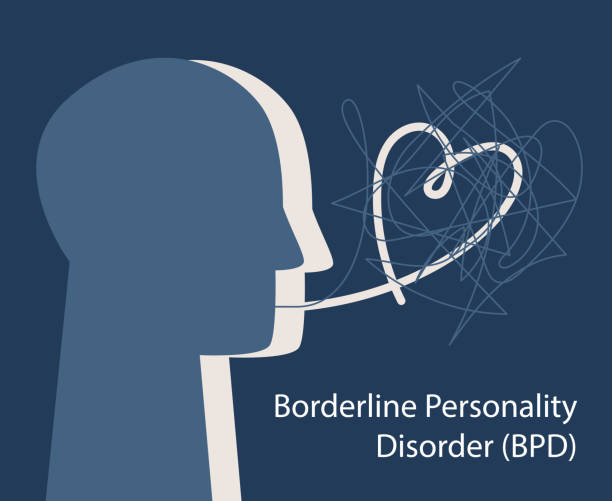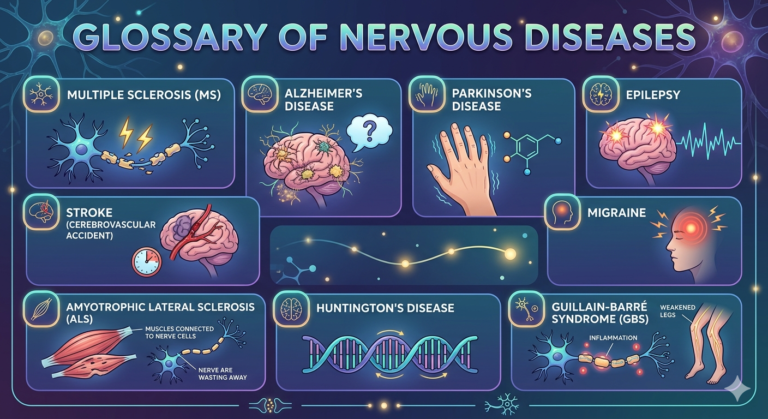
We speak a great deal in modern times about physical health. We know how to treat a cold, what to eat to have a healthy heart, and why exercise would be beneficial for our muscles. However, mental health was a subject long buried beneath the shadows. Many people felt ashamed to speak about feeling sad, anxious, or overwhelmed.
Thankfully, the tide is turning. Awareness around mental health grows daily. But awareness is only step one. If we’re going to truly make any difference, we need education. Knowledge of how our minds work, how to recognize the signs of struggle, and where to find help can save lives.
In this comprehensive guide, we will go through the top resources for education one could hope to find today. Whether you are a student, a parent, an employee, or someone willing to help your friend, these resources will provide exactly the knowledge you might be seeking.
“Mental health… is not a destination, but a process. It’s about how you drive, not where you’re going.” — Noam Shpancer, PhD
Part 1: Why Education is the Key to Mental Health Awareness
Before we dive into the list of resources, it is important to understand why we need them. Education serves three main purposes:
- Breaking the Stigma: Stigma comes from fear, and fear comes from a lack of understanding. When we learn the science behind mental health, we realize that these conditions are medical, not moral failings.
- Early Intervention: Just like a physical illness, mental health issues are easier to manage if caught early. Educational resources teach us the “red flags” to look out for in ourselves and others.
- Empowerment: Knowledge gives you the tools to take action. Instead of feeling helpless, you learn coping strategies and how to navigate the healthcare system.
Part 2: Top Global Organizations for Mental Health Education
If you are looking for reliable, science-based information, global organizations are the best place to start. These groups provide fact sheets, research papers, and free guides.
1. The World Health Organization (WHO)
The WHO treats mental health as a global priority. Their “Mental Health Gap Action Programme” (mhGAP) is a fantastic resource for understanding how mental health affects different populations across the world. They offer easy-to-read infographics and reports on topics like depression, suicide prevention, and dementia.
2. National Alliance on Mental Illness (NAMI)
Based in the United States but useful worldwide, NAMI is one of the largest grassroots mental health organizations. Their website is a goldmine for educational materials. They offer “NAMI Basics,” which is a free education program for parents and caregivers of children and adolescents experiencing mental health challenges.
3. Mind (UK)
Mind is a charity based in the UK that provides some of the most user-friendly mental health information available online. Their “A-Z of Mental Health” explains complex conditions in simple, everyday English. They also provide practical tips on how to handle things like money stress, sleep problems, and workplace pressure.
“You don’t have to be positive all the time. It’s perfectly okay to feel sad, angry, annoyed, frustrated, scared and anxious. Having feelings doesn’t make you a negative person. It makes you human.” — Lori Deschene
Part 3: Online Courses and Certifications
Sometimes, reading an article isn’t enough. You might want a structured way to learn. Fortunately, many top universities and organizations offer free or low-cost online courses.
The Science of Well-Being (Yale University)
Available on Coursera, this is one of the most popular online courses in history. Taught by Professor Laurie Santos, it focuses on the psychological science behind happiness and provides practical “rewirement” challenges to build better habits.
Mental Health First Aid (MHFA)
Just as people take classes to learn CPR for physical emergencies, you can take a course in Mental Health First Aid. This program teaches you how to identify, understand, and respond to signs of mental illnesses and substance use disorders. It is an essential resource for teachers, managers, and community leaders.
Psychological First Aid (Johns Hopkins University)
This course, often found on Coursera or edX, teaches you how to provide assistance to people in the aftermath of a disaster or a personal crisis. It is highly educational for anyone who wants to be a supportive presence in their community.
Part 4: Books That Educate and Inspire
Books allow for a deep dive into the human psyche. Here are a few “must-reads” for anyone looking to expand their mental health education:
- “The Body Keeps the Score” by Bessel van der Kolk: This is the definitive book on trauma. It explains how stressful experiences change the brain and body and offers paths to recovery.
- “Maybe You Should Talk to Someone” by Lori Gottlieb: Written by a therapist who also goes to therapy, this book provides a behind-the-scenes look at the process of healing. It makes therapy feel accessible and normal.
- “Notes on a Nervous Planet” by Matt Haig: This is a great choice for understanding how the modern, fast-paced world affects our anxiety levels. It is written in very simple, relatable language.
Part 5: Digital Tools and Podcasts
In the digital age, education can happen while you are commuting or washing the dishes.
Podcasts
- The Happiness Lab: Dr. Laurie Santos (from the Yale course) talks about the latest research on what actually makes us happy.
- Therapy for Black Girls: A weekly chat about all things mental health and personal development for Black women, breaking cultural barriers to seeking help.
- The Hilarious World of Depression: This podcast uses humor to talk about a serious subject, helping to normalize the conversation and make it less scary.
Smartphone Apps
While many apps focus on meditation (like Calm or Headspace), some are purely educational. Sanvello and Woebot use Cognitive Behavioral Therapy (CBT) techniques to teach users how to reshape their thinking patterns.
Part 6: Quick Reference Table of Resources
If you need to find a resource quickly, use this table as a guide:
| Resource Name | Type | Best For… | Cost |
|---|---|---|---|
| NAMI | Website/Non-Profit | Families & Caregivers | Free |
| Coursera (Yale) | Online Course | Learning about Happiness | Free (Optional Cert Fee) |
| Psychology Today | Directory/Articles | Finding a therapist/Reading news | Free |
| Crisis Text Line | Support Service | Immediate emotional crisis | Free |
| Mind.org.uk | Educational Guides | Simple explanations of disorders | Free |
| MHFA Global | Certification | Professionals & First Responders | Varies by location |
| TED Talks (Health) | Video Series | Inspiration & New Perspectives | Free |
“Anything that’s human is mentionable, and anything that is mentionable can be more manageable. When we can talk about our feelings, they become less overwhelming, less upsetting, and less scary.” — Fred Rogers
Part 7: Resources for Specific Groups
Mental health is not “one size fits all.” Different groups of people face different challenges.
For Students and Educators
Schools are often the frontline for mental health. Active Minds is an organization specifically for students. They provide “toolkits” for starting mental health conversations on campus. For teachers, the Child Mind Institute offers a wealth of resources on how to support kids with ADHD, anxiety, and learning disorders in the classroom.
For the Workplace
Burnout is a major issue in the modern economy. The Center for Workplace Mental Health provides employers with the tools they need to create a supportive environment. They offer “Lunch and Learn” materials and guides on how to discuss mental health with employees without violating privacy.
For Parents
Talking to a child about their feelings can be difficult. Zero to Three is a resource focused on the mental health of infants and toddlers (yes, it starts that early!). For parents of teenagers, Common Sense Media offers guides on how social media impacts youth mental health.
Part 8: How to Evaluate a Mental Health Resource
With so much information on the internet, it is easy to find “fake news” or bad advice. When you are looking for educational materials, keep these three tips in mind:
- Check the Credentials: Is the information written by a doctor, a licensed therapist, or a reputable health organization? Be wary of “influencers” who give medical advice without training.
- Look for Science: Good resources often mention “Evidence-Based” practices. This means the methods have been tested in scientific studies.
- Beware of “Quick Fixes”: Mental health is a journey. Any resource that promises to “cure your depression in 24 hours” is likely not reliable. Education should focus on management and long-term health.
Part 9: Taking the Next Step — From Learning to Action
Education is most powerful when it leads to action. Now that you know where the resources are, what should you do with them?
- Share what you learn: If you find a great article about anxiety, share it on your social media. You never know who might be suffering in silence and needs to see that information.
- Advocate at work: Suggest that your HR department looks at some of the workplace resources mentioned above.
- Practice Self-Compassion: Use these resources to be kinder to yourself. Understand that your brain is an organ, just like your heart, and it needs care and attention.
Conclusion
Mental health awareness is more than a person showing their support by wearing a green ribbon and using a tag on social networks. It is a continuous process of upgrading their knowledge. These resources, ranging from the World Health Organization to the “Science of Well-being” course, are meant to help people create a compassionate and intelligent world.
Through educating ourselves about it, we take away the power of the stigma. We understand it’s fine to not be fine, but more importantly, we understand there’s hope beyond it as well. If it’s your own journey you are about to undertake or help others in their journey, all you have to remember is ‘Knowledge is your best ally’.
The tools are at your fingertips. Now is the time to use them.
“What mental health needs is more sunlight, more candor, and more unashamed conversation.” — Glenn Close