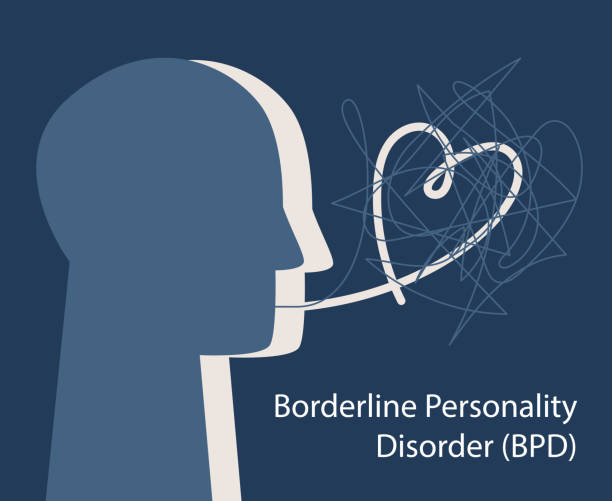
We reside in a modern and fast world where much of our time is spent thinking about our bodies, the calories we eat, the steps we take, and whether we get enough vitamins. As important as physical health is, another vital side of ourselves is highly neglected: our mental health.
It is not just about there being no mental illness; it is how we think, feel, and handle the ups and downs of life. Good mental health affects how we handle stress, relate to others, and make choices. When your mental health is in good shape, you feel more resilient, productive, and happy. If it is neglected, even small problems will appear as giant mountains.
It’s not about setting your mind once and for all; it’s a process that is ongoing. It means making conscious little choices every day. In this post, we will share 10 sure ways to give priority to your mental health explained in simple English, using examples to help you start today.
1. Move Your Body Regularly
You may know that exercise is great for your heart and muscles. However, it’s likely that you are not aware that it’s also one of the greatest things that can be done for your brain. This is because, through exercise, your body releases chemicals that are called endorphins. Endorphins are sometimes referred to as the “feel-good” chemicals because they make you feel good by reducing your pain.
Exercise also aids in reducing the body’s stress hormones, such as adrenaline and cortisol. By exercising, you are actually “burning” your stress.
How to do it:
You don’t need to run a marathon or spend hours at the gym to see the benefits. The key is consistency and finding something you enjoy. If you hate running, don’t run. If you like dancing, dance in your living room.
Examples:
- The 20-Minute Walk: Instead of sitting on your phone during your lunch break, take a 20-minute walk outside. The combination of fresh air and movement can reset your mood.
- Morning Stretching: Spend 10 minutes every morning reaching for the sky and touching your toes. This wakes up your nervous system and helps you feel more “in” your body.
- Desk Exercises: If you work at a desk, set a timer every hour to stand up and do ten squats or march in place.
2. Fuel Your Brain with Good Nutrition
There is an incredible link between your gut health and your brain. In fact, many scientists refer to your gut as your “second brain.” The food you eat has an incredible impact on your emotions.
If you consume processed sugar and junk food in excess amounts, you will see that your blood sugar levels go high and then crash. This crash can cause you to become grumpy, anxious, and tired. On the other hand, when you eat whole foods, your body gets a constant supply of energy to your brain, and as a result, your mood stays healthy.
How to do it:
Focus on “real” food. This means foods that come from nature rather than a factory. Try to include healthy fats (like those found in nuts or fish), which are essential for brain function, and plenty of water.
Examples:
- The Afternoon Snack Swap: Instead of reaching for a sugary chocolate bar at 3:00 PM, try a handful of walnuts or an apple with peanut butter. The fats and fiber will keep your energy steady.
- Hydration: Sometimes, feelings of anxiety or “brain fog” are actually signs of mild dehydration. Try to drink a full glass of water before you have your morning coffee.
- Colorful Plates: Try to have at least three different colors of vegetables on your plate at dinner. Different colors represent different nutrients that support brain health.
3. Make Quality Sleep a Non-Negotiable
Sleep is when your brain “cleans” itself. It processes the emotions from the day while you sleep, clears toxins, and consolidates memories. If you don’t get enough sleep, your emotional regulation breaks down. That’s why everything feels much more difficult and depressing when you’re tired.
It also increases the risk of depression and anxiety. Prioritizing sleep is perhaps the most effective thing you can do for your mental health.
How to do it:
Create a “sleep sanctuary” and a “wind-down” routine. Your body needs a signal that it is time to stop being productive and start resting. Aim for 7 to 9 hours of sleep per night.
Examples:
- The Digital Sunset: Turn off all screens (phone, TV, computer) at least one hour before bed. The blue light from screens tells your brain it is daytime, which prevents sleep hormones from being released.
- Reading a Physical Book: Instead of scrolling through news, read a fiction book. It helps your mind escape into another world and slows your racing thoughts.
- Keep a Cool Room: Your body temperature needs to drop slightly to fall asleep. Keeping your bedroom cool and dark can help you fall asleep faster.
4. Learn the Power of Saying “No” (Setting Boundaries)
Many of us are stricken by “people-pleasing.” We say “yes” to every favor, every extra project at work, and every invitation because we don’t want to disappoint anyone. But saying “yes” to others often means saying “no” to oneself.
Overcommitting leads to burnout, resentment, and a high level of stress. Setting boundaries is about protecting your time and energy so that you may have enough left for your own mental wellbeing.
How to do it:
Understand that your time is a finite resource. You only have so much energy. When someone asks you for something, take a moment to check your “internal battery.” If it’s low, it is okay to decline.
Examples:
- The Work Boundary: If a colleague asks you to take on a new task on Friday afternoon, you can say: “I would love to help, but my schedule is full for the rest of the week. I can look at this on Tuesday.”
- The Social Boundary: If friends are going out but you feel exhausted, it’s okay to say: “Thanks for the invite, but I really need a quiet night at home to recharge. Let’s do something next week.”
- The Phone Boundary: You don’t have to reply to every text message the moment you receive it. It is okay to put your phone on “Do Not Disturb” after 8:00 PM.
5. Practice Mindfulness and Living in the Present
Stress usually comes from two places: worrying about the future or regretting the past. We spend so much time “in our heads” that we forget to be “in the moment.” Mindfulness is the practice of bringing your attention back to the “now.”
Mindfulness helps you observe your thoughts without being overwhelmed by them. It allows you to realize that a thought is just a thought—it isn’t necessarily a fact.
How to do it:
You don’t have to sit on a mountain and meditate for hours. Mindfulness can be practiced anywhere. It is simply the act of noticing what is happening right now through your senses.
Examples:
- The 5-4-3-2-1 Technique: If you feel an anxiety attack coming on, stop and name: 5 things you can see, 4 things you can touch, 3 things you can hear, 2 things you can smell, and 1 thing you can taste. This grounds you in reality.
- Mindful Eating: Instead of watching TV while you eat, focus entirely on your food. Notice the texture, the smell, and the flavor. This calms the nervous system.
- Observation Walk: Go for a walk and try to find five things you’ve never noticed before in your neighborhood, like the shape of a leaf or the color of a neighbor’s door.
6. Take a Digital Detox
We live in an age of information overload. While the internet is useful, it can be toxic for mental health. Social media often creates a “comparison trap,” where we compare our “behind-the-scenes” (our real, messy lives) to everyone else’s “highlight reel” (their perfect, edited photos).
Constant notifications also keep our brains in a state of “high alert,” which increases anxiety.
How to do it:
You don’t have to delete all your accounts, but you should create “pockets” of time where the digital world does not exist. Be intentional about how you use your phone.
Examples:
- Unfollow for Peace: Go through your social media following list. If an account makes you feel bad about your body, your career, or your life, unfollow it. Only follow accounts that inspire or educate you.
- Phone-Free Mornings: Don’t check your phone for the first 30 minutes after you wake up. This allows you to start your day on your own terms rather than reacting to news or emails.
- The “No-Phone” Table: Make a rule that there are no phones allowed at the dinner table. This encourages real connection with the people you are with.
7. Foster Human Connection
Humans are social animals. We are biologically wired to be part of a group. Isolation is a major trigger for mental health struggles. In our digital world, we often have “virtual” connection but lack “real” connection.
Talking to someone who understands you can lower your stress levels and make you feel supported. A problem shared is often a problem halved.
How to do it:
Make a conscious effort to reach out. Don’t wait for others to call you. High-quality relationships require effort and vulnerability.
Examples:
- The Five-Minute Phone Call: Instead of sending a long text, call a friend for five minutes just to say hello. Hearing a friendly voice is much more impactful than reading text on a screen.
- Join a Group: Find a local club or class based on an interest, such as a book club, a gardening group, or a sports team. This provides a sense of belonging.
- The “Old-Fashioned” Letter: Write a letter or a “thank you” card to someone you appreciate. The act of expressing gratitude improves the mental health of both the sender and the receiver.
8. Engage in Hobbies and Creativity
We as adults can become so wrapped up in the need to “be productive” that we forget how to have fun. Hobbies are things that we choose to do simply for the pleasure of it. Not for profit, or to gain recognition.
Doing a hobby can put a person into a stage referred to as “flow.” It is a situation where one is so engaged with the activity being done that one loses consciousness of time. Flow is highly therapeutic to the brain since it offers a rest from the “chatter” of daily concerns.
How to do it:
Think back to what you loved doing as a child. Did you like drawing? Building things? Collecting stones? Try to find a modern version of that activity. Give yourself permission to be “bad” at it—the goal is enjoyment, not perfection.
Examples:
- Adult Coloring Books: You don’t have to be an artist. Coloring inside the lines is a rhythmic, repetitive task that calms the mind.
- Gardening: Getting your hands in the dirt has been scientifically proven to reduce stress. Watching something grow provides a sense of accomplishment.
- Cooking a New Recipe: Choose a recipe you’ve never tried before. The focus required to follow the steps and the sensory experience of cooking can be very grounding.
9. Seek Professional Help When Needed
Although there is still much shame and stigma attached to undergoing therapy, it is among the bravest things you can do for yourself. You don’t have to have some “major crisis” to visit a therapist either.
Just as you see a doctor for a physical check-up or a trainer for a work-out session, a therapist is a professional who can help you “exercise” your mind. This individual has the ability to offer you solutions that you cannot discover on your own.
How to do it:
If you feel “stuck,” if your emotions are interfering with your daily life, or if you just want to understand yourself better, look for a counselor or therapist. Many workplaces offer Employee Assistance Programs (EAP) that provide free sessions.
Examples:
- Checking In: Think of therapy as a “mental tune-up.” You might go once a month just to talk through your stresses and keep your mental health on track.
- Support Groups: If you are dealing with a specific issue like grief or a chronic illness, joining a support group can help you realize you are not alone.
- Online Therapy: If you are busy or shy, online therapy platforms allow you to talk to a professional from the comfort of your own home via video call or text.
10. Practice Self-Compassion
It’s common to be our own harshest critic. Consider the tone and language you use with yourself when you mess up. Would you ever speak to your best friend like that? Chances are, you wouldn’t.
Self-compassion is taking care of yourself in the same manner as if you were taking care of a good friend. It is also recognizing the fact that everyone tends to make mistakes in their lives as they face difficulties. The more you practice taking care of yourself, the less stress you will have and the more confident you will be.
How to do it:
Start noticing your “inner monologue.” When you catch yourself being mean to yourself, stop and try to rephrase the thought. Acknowledge your feelings without judging them.
Examples:
- The “Friend Test”: If you drop a plate and think, “I’m so stupid,” stop and ask: “Would I call my friend stupid for dropping a plate?” Of course not. You would say, “It’s okay, it was an accident.” Say that to yourself.
- Forgiveness for a Bad Day: If you had a day where you weren’t productive or you ate unhealthy food, don’t spend the evening beating yourself up. Say: “Today was a hard day. I didn’t do everything I wanted, and that’s okay. I will try again tomorrow.”
- Celebrate Small Wins: Instead of only focusing on the big goals you haven’t reached yet, congratulate yourself for small things. “I got out of bed, I took a shower, and I finished my work. That is a success.”
Conclusion: Starting Your Journey
A good approach to your mind is not one that means you are “perfect.” Feeling sad, angry, or stressed is not something you never experience, but developing a kit that assists you with those feelings when they come is.
You don’t have to implement all 10 of these in your life at once. In fact, attempting the change of everything at once can be rather overwhelming and stressful, which will essentially counteract the whole point. The point being that you are meant to try one thing on this list and see how it goes for a week. It might be what resonated with you today.
Perhaps this week, a goal for you would be to turn off your phone an hour before going to sleep. Next week, maybe a 10-minute walk. Your little actions will compound into a happier and healthier mind.
Remember: Your mental health is an investment, not an expense. You deserve to feel good. You deserve peace. It’s in taking these actions that you are speaking to your mind directly that you are important, and that’s the biggest mind breakthrough you will ever have.